Moving to Georgia
Moving to Georgia: The Comprehensive Relocation Guide for Expats
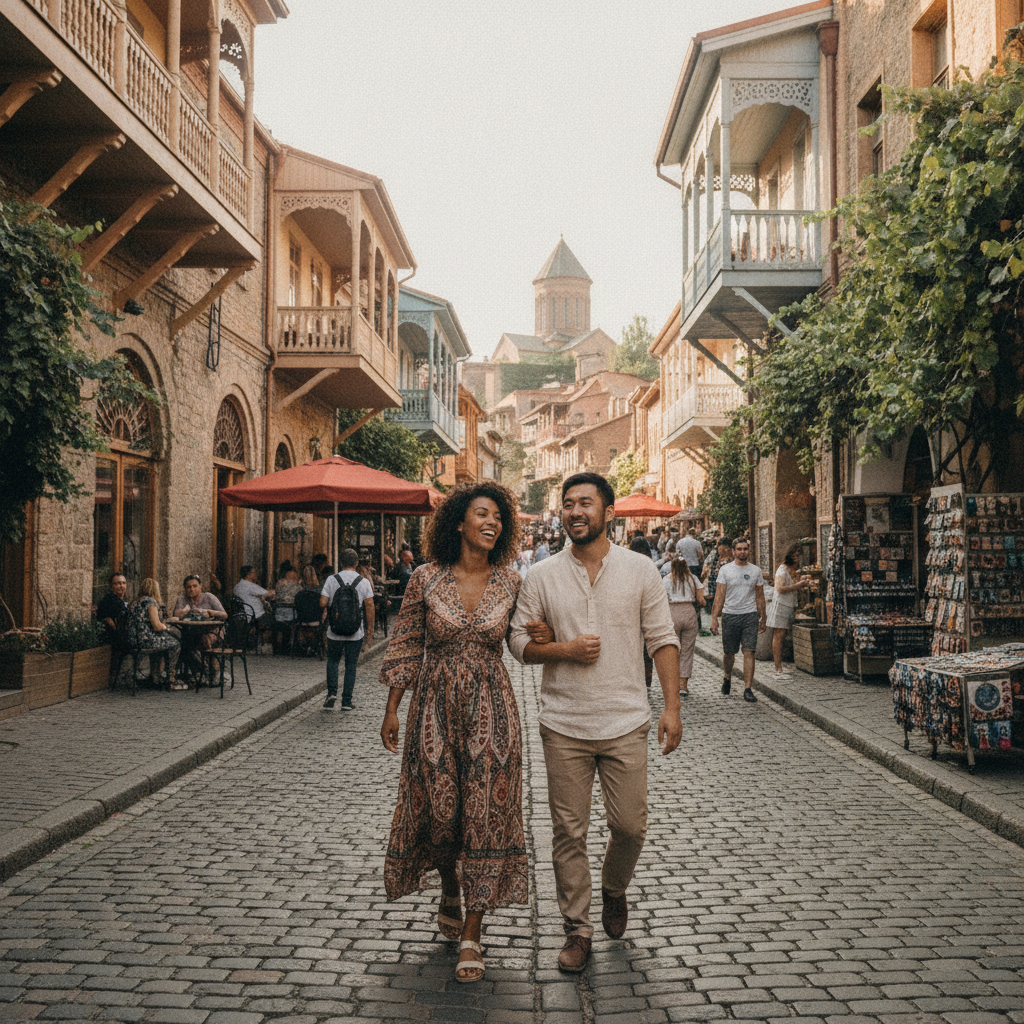
Plan your move to Georgia with our detailed guide on visas, housing, banking, and lifestyle for expats. Learn everything you need for a smooth transition.
Georgia has rapidly become one of the most attractive destinations for digital nomads and investors. It offers a unique blend of ancient history, modern tax benefits, and a welcoming culture. Moving to a new country involves navigating complex legal and social landscapes. This guide provides a factual overview of the essential steps required to relocate successfully. We cover legal residency, housing markets, healthcare, and daily living standards. Whether you are moving from Europe or North America, understanding these foundations ensures a seamless integration into Georgian society. The country provides a high quality of life with a manageable cost of living.
Visa and Residency Options
Georgia is famous for its liberal visa policy. Citizens of [data pending] countries can stay for up to one year without a visa. This allows most Westerners to enter, live, and work remotely immediately. To stay longer than a year, you must apply for a residence permit. Options include work, educational, and investment permits. An investment residency requires a property purchase worth at least [data pending]. Alternatively, a business permit may be granted if you show a significant annual turnover. The application process usually takes place at the Public Service Hall. You will need a valid passport and proof of sufficient funds. All foreign documents must be translated and notarized locally. The government typically processes these applications within [data pending] days. Permanent residency is available after several years of legal residence. Always verify the latest requirements at the Ministry of Foreign Affairs website.
Choosing a City to Live In
Tbilisi is the primary choice for most expatriates. It serves as the political, economic, and cultural heart of the nation. The capital offers diverse neighborhoods ranging from the historic Old Town to modern Vake. Batumi is the second most popular destination, located on the Black Sea coast. It is ideal for those who prefer a maritime climate and a booming tourism sector. Kutaisi provides a more traditional Georgian experience with lower costs. It features an international airport with many low-cost flights to Europe. For those seeking quiet mountain life, Stepantsminda or Bakuriani are viable options. However, infrastructure in mountain towns may be less developed for full-time remote work. Infrastructure in Tbilisi is the most robust, featuring high-speed fiber internet. Consider your lifestyle needs before committing to a specific region. Most expats start in Tbilisi before exploring other regions.
Securing Long-Term Accommodation
The real estate market in Georgia is open and dynamic. Foreigners can own property with almost no restrictions. When renting, most agreements are signed for six or twelve months. Landlords typically ask for the first and last month’s rent upfront. Utility costs are usually excluded from the base rent price. You should use local listing websites or social media groups to find apartments. Real estate agents are common but often represent the landlord’s interests. Always insist on a written contract in both Georgian and English. This contract should clearly state the security deposit terms. Check if the building has a centralized heating system or individual boilers. Older Soviet-era buildings may have lower rents but higher maintenance needs. Newer developments offer modern amenities like elevators and underground parking. Always view a property in person before transferring any funds.
The Cost of Living Overview
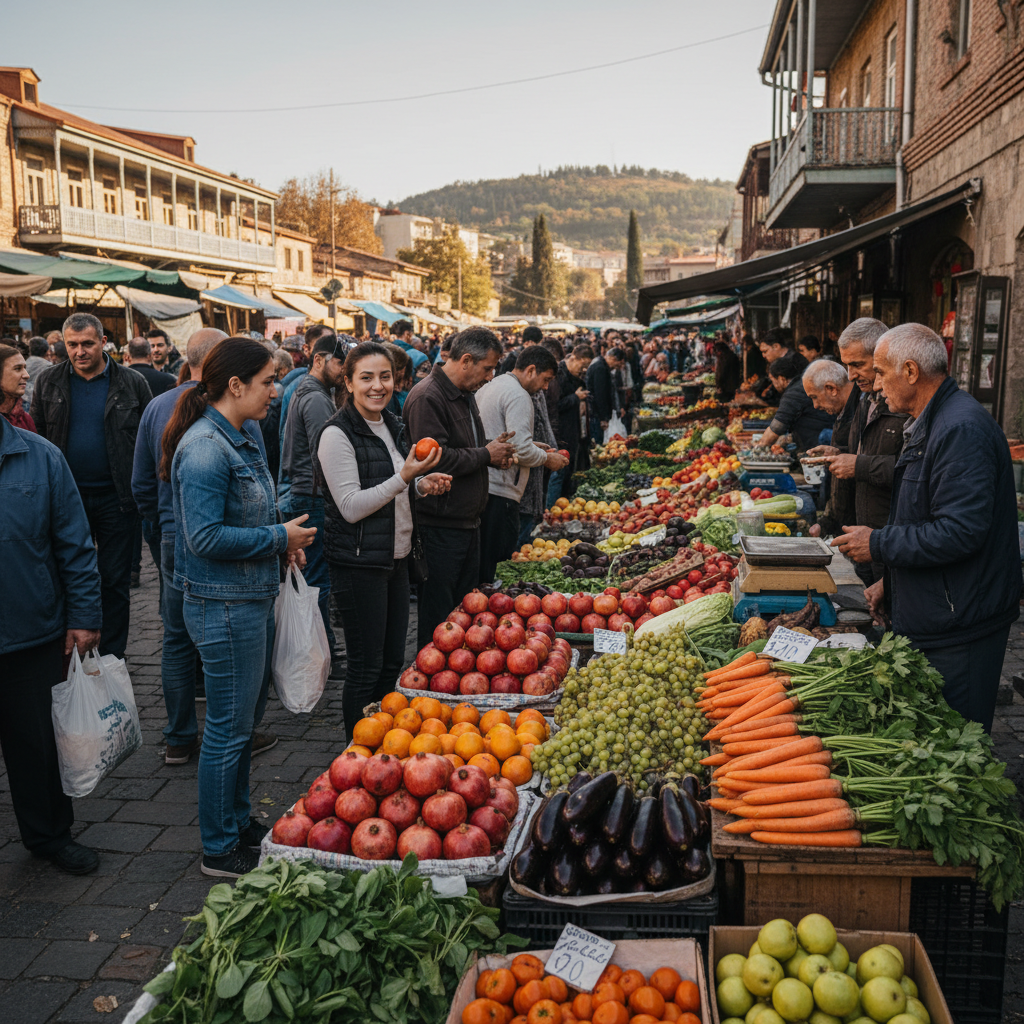
Living in Georgia is generally more affordable than in Western Europe. A single person can live comfortably on approximately [data pending] per month. This figure includes rent, groceries, and occasional dining out. Public transportation is extremely cheap, with metro and bus fares costing only [data pending]. Utility bills vary based on the season, with heating being the main winter expense. Local produce from markets is high quality and very affordable. Eating at restaurants is a core part of Georgian culture and remains accessible. Imported goods and luxury brands carry prices similar to those in the EU. Mobile data plans are among the cheapest in the world. Many expats find that their purchasing power increases significantly after moving here. However, inflation and exchange rate fluctuations should be considered in your budget planning. It is wise to maintain an emergency fund in a stable currency.
Banking and Financial Services
Georgia’s banking sector is sophisticated and highly digitalized. Two major banks dominate the retail market. Opening a personal bank account is relatively straightforward for foreigners. You will typically need a passport and a small application fee. Some banks may require proof of address or source of funds. Once opened, you receive a multi-currency debit card within a few days. Online banking apps are advanced and support English. These apps allow you to pay utility bills and transfer funds easily. International transfers through the SWIFT system are standard practice here. Interest rates on local currency deposits can be quite high. However, many expats prefer to hold their main savings in USD or EUR. Merchant acceptance of contactless card payments is near-universal in cities. Always keep some cash for smaller mountain villages or local bazaars.
Healthcare and Medical Insurance
Healthcare in Georgia is a mix of public and private services. Private clinics in Tbilisi provide high-quality care with English-speaking staff. Many doctors have received training abroad and follow international protocols. Expats are strongly advised to purchase private medical insurance. Local insurance plans are affordable and cover most primary care and emergencies. Premiums range from [data pending] to [data pending] monthly. Pharmacies are abundant and well-stocked with international medications. Many drugs that require prescriptions elsewhere are available over-the-counter here. Specialty care like dentistry and cosmetic surgery is significantly cheaper than in the West. Public hospitals exist but may lack the comfort and language support of private ones. In case of emergencies, call [data pending] for medical assistance. The system is efficient for routine check-ups and minor procedures.
The Legal System and Documentation
Georgia has moved toward a Western-style legal framework. The Public Service Hall is the central hub for all administrative tasks. Here, you can register a business, get a marriage certificate, or apply for residency. These buildings are known for their modern design and efficient service. Most administrative processes are transparent and digitized. However, for complex legal matters, hire a local bilingual lawyer. Notaries play a crucial role in validating contracts and translations. You must have all foreign birth or marriage certificates apostilled. Without an apostille, local authorities may not recognize your documents. The legal system operates primarily in the Georgian language. Court proceedings can be slow, so mediation is often preferred for disputes. Always keep digital copies of your residency permits and property titles for safety.
Working and Business Environment
Starting a business in Georgia takes less than one day in many cases. The country consistently ranks high for ease of doing business. The 'Individual Entrepreneur' status offers a 1% tax rate for small businesses. This is a major draw for remote freelancers and consultants. For larger companies, the Corporate Income Tax follows the 'Estonian Model'. You only pay tax on distributed profits, not on reinvested earnings. The workforce is young and increasingly tech-savvy. Many professionals in Tbilisi speak fluent English. While the local job market pays lower than the EU, the low tax burden compensates. Networking events for expats and entrepreneurs are frequent in the capital. Coworking spaces have proliferated across Tbilisi and Batumi. They provide stable internet and a community for remote workers. Understanding the local tax code is vital for compliance.

Education and Schools
Expat families have several choices for their children’s education. Tbilisi hosts several prestigious international schools. These schools follow the British, American, or International Baccalaureate (IB) curricula. Instruction is primarily in English, with Georgian and French as secondary options. Tuition fees at these institutions range from [data pending] to [data pending] annually. Public schools are free but the language of instruction is Georgian. Some public schools offer Russian-language sectors. For younger children, private kindergartens are widely available and affordable. Higher education is also evolving, with several universities offering English-taught programs. These programs often focus on medicine, business, and international relations. It is recommended to apply for school places several months before the academic year begins. Check for accreditation from international bodies when selecting a school.
Transportation and Connectivity
Getting around Georgia is both easy and varied. The Tbilisi Metro is the fastest way to navigate the capital's rush hours. Minibuses, known as marshrutkas, connect almost every town and village. Trains run between Tbilisi, Batumi, and Kutaisi, offering modern and affordable travel. For personal travel, ride-sharing apps are very popular and inexpensive. Driving in Georgia can be challenging due to local driving styles. If you plan to drive, ensure you have an International Driving Permit. Renting a car is easy, but a 4x4 is recommended for mountain trips. Internet connectivity is excellent in urban areas, with fiber-optic reaching most homes. Mobile 4G and 5G coverage extends to most rural highways. Using a local SIM card is the most cost-effective way to stay connected. Domestic flights are available between Tbilisi, Batumi, and Mestia for quick regional travel.
Frequently asked questions
Can I work in Georgia on a tourist visa?
Yes, current regulations allow citizens of visa-free countries to work remotely or locally during their one-year stay. You do not need a specific work permit for remote activities, but you should register for tax if you stay longer than 183 days.
Is Georgia safe for solo expatriates?
Georgia is consistently ranked as one of the safest countries in Europe. Crime rates are very low, and the police are professional and helpful. Normal precautions should be taken at night, but walking alone in cities is generally considered safe.
Do I need to learn Georgian to live there?
While you can survive with English in Tbilisi and Batumi, learning basic Georgian is highly beneficial. The language has its own unique script. Knowledge of Russian can also be helpful with the older generation, but English is preferred by the youth.
What is the internet quality like for remote work?
In major cities, fiber-optic internet is widely available with speeds up to [data pending]. Most cafes and coworking spaces provide reliable Wi-Fi. It is more than sufficient for high-definition video calls and heavy data transfers.
How do I bring my pets to Georgia?
You need a veterinary passport, a rabies vaccination certificate, and a health certificate. These must be issued shortly before travel. Check with your airline for specific carrier requirements. Georgia is relatively pet-friendly with many outdoor spaces.
Can foreigners buy land and property?
Foreigners can buy residential and commercial property with the same rights as citizens. However, there are restrictions on buying agricultural land. To buy agricultural land, you typically need a Georgian business partner or a specific investment plan.