living-in-georgia
Living in Georgia: Complete Expat Guide
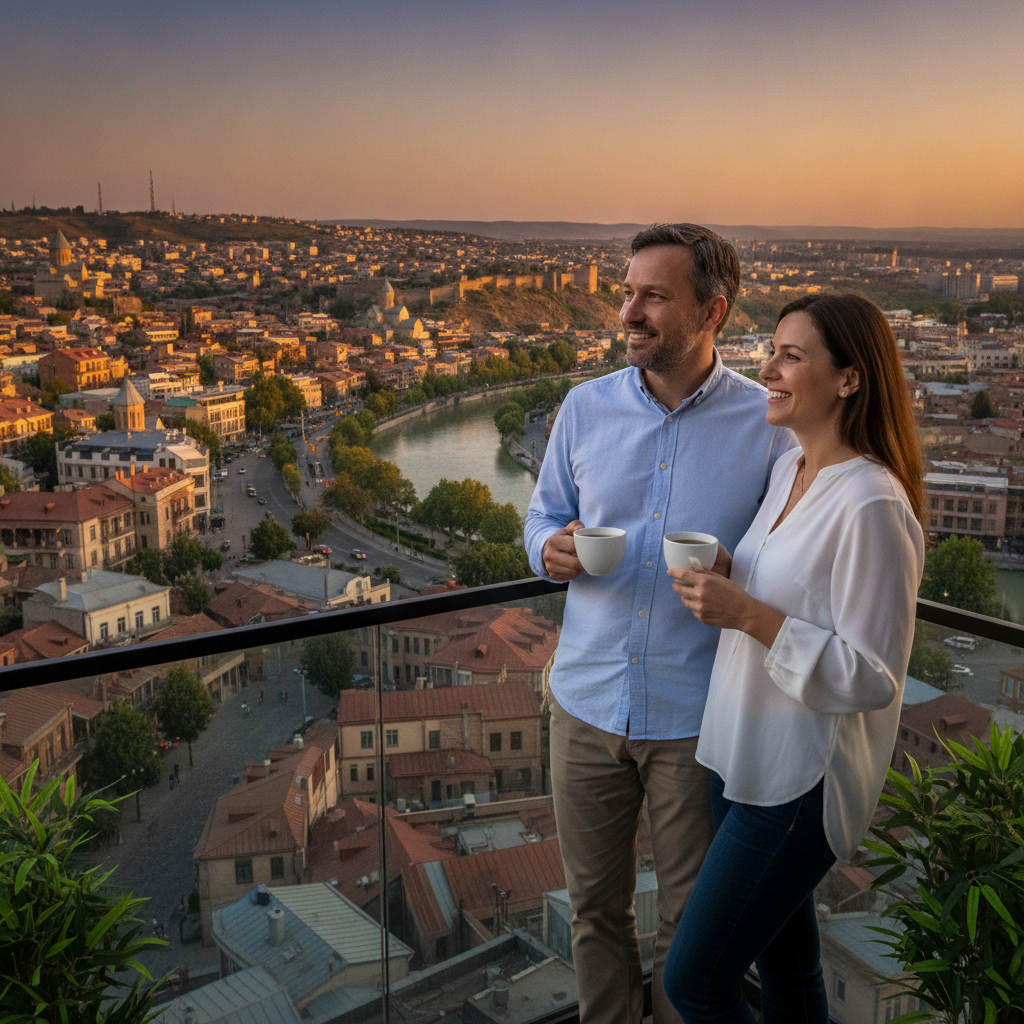
A comprehensive guide to living in Georgia. Learn about visa rules, healthcare, cost of living, and housing for expats moving to the Caucasus region.
Georgia has emerged as a top destination for digital nomads, investors, and retirees. Located at the crossroads of Europe and Asia, it offers a unique lifestyle. Residents enjoy dramatic mountain landscapes and a world-renowned culinary culture. The country is known for its liberal visa policies and ease of doing business. Moving to a new country involves navigating complex administrative and social landscapes. This guide provides essential information for those planning to relocate to Georgia. It covers everything from residency permits to finding an apartment in Tbilisi or Batumi. Standard life in the Caucasus provides a high quality of living at a relatively low cost. Understanding local regulations is the first step toward a successful transition.
Visa and Residency Options
Georgia is famous for its open-border policy. Citizens of [data pending] countries can enter without a visa. This includes the United States, United Kingdom, and European Union members. Most of these visitors can stay for up to one full year. After one year, many expats simply cross a border and return. This resets the one-year clock immediately. However, those seeking long-term stability should consider a residency permit. Common types include work permits and investment residency. You can obtain residency by purchasing real estate worth at least [data pending]. Business residency is available for those who register a company and meet turnover requirements. Applications are processed through the Public Service Halls. These institutions are known as 'Justice Houses' and are highly efficient. Always check current legislation as regional political shifts can influence immigration policy.
Cost of Living Breakdown
The cost of living attracts many foreigners to the region. It remains significantly lower than in Western Europe or North America. A single person can live comfortably on approximately [data pending]. This estimate includes rent in a central neighborhood and frequent dining out. Groceries are affordable, especially when buying seasonal produce at local markets. Imported goods and luxury items carry higher price tags due to taxes. Utilities including electricity, gas, and high-speed internet are very economical. Typically, monthly utility bills for a standard apartment average [data pending]. Dining at local restaurants is a staple of Georgian life. A mid-range meal for two costs roughly [data pending]. While inflation has impacted prices recently, Georgia remains a value-driven destination. Budgeting should account for potential currency fluctuations between the Lari and major foreign currencies.
Finding Accommodation
The housing market in Georgia is diverse and expanding. Tbilisi is the primary choice for most expats. Popular neighborhoods include Vake, Saburtalo, and Old Tbilisi. Batumi is the preferred destination for those seeking a seaside lifestyle. Rental agreements are often informal but written contracts are recommended for expats. Most apartments come fully furnished, including appliances and linens. Rent is usually quoted in US Dollars but must be paid in Georgian Lari. A one-bedroom apartment in a central area costs between [data pending] and [data pending]. Real estate websites and Facebook groups are the main search tools. It is common to work with agents who do not charge the tenant a fee. The landlord usually pays the commission. Always verify the owner's identity through the Public Registry before paying a deposit.
Healthcare System Overview
Georgia has transitioned to a primarily private healthcare system. Recent years have seen significant investment in modern medical facilities. Large cities like Tbilisi and Batumi have clinics with English-speaking staff. State-funded universal healthcare is available to Georgian citizens. Expats are generally expected to hold private health insurance. International insurance plans are widely accepted at major hospitals. Local insurance providers offer comprehensive packages for approximately [data pending] per month. Pharmacies are ubiquitous and many operate 24 hours a day. Many medications that require prescriptions elsewhere are available over-the-counter here. For specialized treatments or complex surgeries, some residents still travel abroad. However, for primary care and emergency services, local facilities are reliable. Always keep a digital copy of your records as patient portals are not yet standardized across all clinics.
Banking and Financial Services
Opening a bank account in Georgia is relatively straightforward for foreigners. The two largest entities are Bank of Georgia and TBC Bank. Both offer robust mobile banking apps in English. To open an account, you typically need a passport and a small fee. Some branches may require proof of source of funds due to international compliance. Accounts can be held in GEL, USD, and EUR simultaneously. This helps expats manage exchange rate risks. Contactless payment is the standard in cities. You can pay for almost everything with a card or smartphone. ATMs are found on nearly every street corner in urban areas. International wire transfers through the SWIFT system are efficient. Georgia is not yet part of the SEPA zone, but progress is being made. Interest rates on Lari savings accounts are often high to attract local deposits.
The Labor Market and Working
The Georgian labor market is competitive with a focus on tech and tourism. Salaries in local companies are generally lower than Western standards. The average monthly salary is approximately [data pending]. Many expats arrive as remote workers or entrepreneurs. Georgia offers a 'Small Business' status for freelancers. This status provides a low tax rate of only [data pending] on turnover. This applies to those earning up to [data pending] annually. For those seeking local employment, English teaching and hospitality are common entry points. High-level corporate roles usually require knowledge of the Georgian language. Networking is essential as many jobs are filled through personal connections. Working in Georgia requires a legal entitlement, typically granted through the one-year visa-free stay or a work permit.
Education and International Schools
Expat families have several choices for international education. Tbilisi hosts schools following British, American, and French curricula. The Quality Schools International (QSI) and the British International School are popular. Tuition fees vary but typically range from [data pending] to [data pending] per year. These schools offer the International Baccalaureate or A-Level programs. Most international schools provide bus services and a wide range of extracurriculars. Local public schools teach in Georgian, which can be a barrier for older children. However, younger children often adapt quickly to the linguistic environment. Higher education is also evolving, with several universities offering medical and business degrees in English. These attracts a large number of international students from India and the Middle East. Ensure you apply early as many top international schools have waiting lists.
Transportation and Infrastructure
Public transportation in Georgian cities is affordable and improving. Tbilisi has a two-line metro system that is very efficient. Minibuses, known as marshrutkas, cover routes not served by the metro. A single journey on public transport costs only [data pending]. Ride-sharing apps like Bolt are popular and inexpensive. Owning a car is possible but traffic in Tbilisi can be challenging. Many cars are imported from the US or Japan, leading to a mix of left and right-hand drives. Intercity travel is facilitated by trains and specialized shuttle vans. The railway connects Tbilisi to Batumi in about five hours. Infrastructure projects are currently expanding the East-West Highway. This will significantly reduce travel times between the mountains and the sea. Georgia uses the standard Type C and F European power plugs.
Language and Social Integration
The Georgian language is unique and uses its own script, Mkhedruli. It is not related to Indo-European or Turkic languages. Learning some Georgian is highly appreciated by locals. In urban areas, younger generations speak English fluently. Older generations often speak Russian as a second language. Georgians are famous for their hospitality, often treating guests as 'gifts from God.' Local social life often revolves around the 'supra,' a traditional feast. Building a social circle usually involves participating in these communal events. There are numerous expat communities organized via social media. These groups host weekly meetups, hikes, and language exchanges. While the culture is generally conservative, the cities are increasingly cosmopolitan. Respect for local traditions is key to successful integration into the community.
Climate and Regional Geography
Georgia's geography is remarkably diverse for its small size. The climate ranges from subtropical on the coast to alpine in the mountains. Tbilisi experiences hot summers and relatively mild winters. Summer temperatures often exceed [data pending] Celsius. Batumi is humid and receives significant rainfall throughout the year. The Greater Caucasus Mountains protect the country from cold northern air. This creates a fertile environment for viticulture in the Kakheti region. Expats can enjoy skiing in Gudauri during the winter months. In the summer, the Black Sea coast offers a popular retreat. Spring and autumn are considered the best times for travel. The landscape transitions from desert-like plains to lush forests within a few hours' drive. This geographical variety allows for a wide range of outdoor activities every season.
Frequently asked questions
Can foreigners buy land in Georgia?
Foreigners can easily buy residential and commercial property. However, agricultural land is generally restricted for non-citizens. Buying an apartment is a simple process involving the Public Registry.
Is Georgia safe for expats?
Georgia is consistently ranked as one of the safest countries globally. Crime rates are low, and walking at night is common. Standard safety precautions should still be practiced in crowded tourist areas.
What is the tax rate for residents?
Georgia has a flat income tax rate of [data pending]. However, the 'Small Business' status allows for a [data pending] rate on turnover for eligible entrepreneurs and freelancers.
Do I need to speak Georgian to live there?
You can survive in Tbilisi with English alone. Most services and menus are bilingual. Learning basic phrases and the alphabet will greatly improve your experience and help with administrative tasks.
How do I get a local SIM card?
You can buy a SIM card at the airport or any mobile shop. Magti, Silknet, and Beeline are the main providers. You only need your passport to register the number.
Is the tap water safe to drink?
In Tbilisi and most mountain regions, tap water is safe and high quality. Many residents still prefer filtered water or the country's famous bottled mineral waters like Borjomi.