cost-of-living
Cost of Living in Georgia: A Comprehensive Guide for 2024
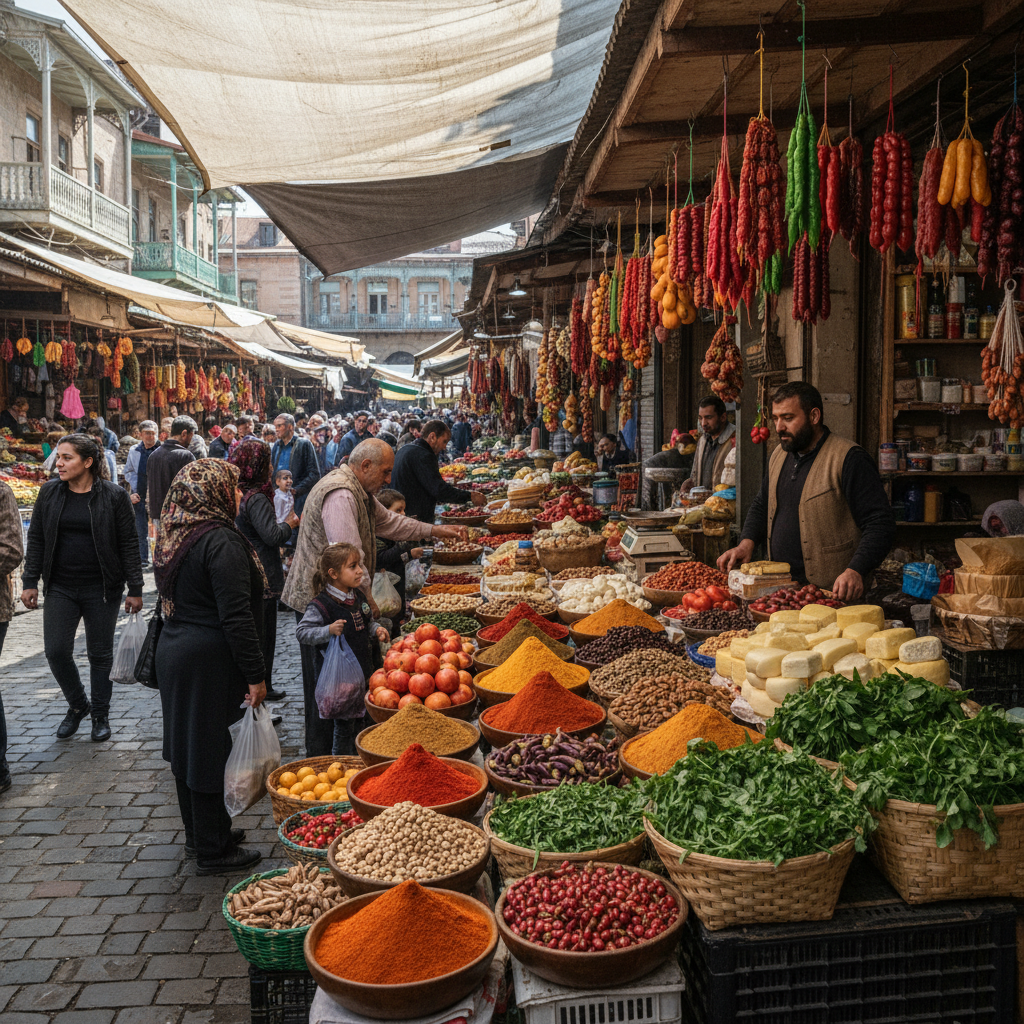
Detailed breakdown of the cost of living in Georgia. Explore housing, food, transport, and healthcare expenses for nomads, investors, and families in 2024.
Georgia has become a popular destination for expatriates, digital nomads, and investors seeking a high quality of life. The country offers a unique blend of ancient history, modern infrastructure, and natural beauty. For many English-speaking visitors, the primary draw remains the competitive cost of living compared to Western Europe or North America. This article examines the expenses associated with housing, food, transportation, and lifestyle to help you plan your relocation or extended stay effectively.
Overview of Economic Conditions
The Georgian economy has shown resilience and growth over the past decade. The national currency is the Georgian Lari (GEL). Exchange rates fluctuate against the US dollar and the Euro. Generally, Westerners find their purchasing power is significantly higher in Georgia than in their home countries. Inflation remains a factor that affects local prices yearly. Most services and goods are priced in GEL. However, high-value assets like real estate are often quoted in USD informally. This practice helps sellers hedge against currency volatility. Visitors should monitor the GEL exchange rate regularly. Prices for basic goods remain stable for those earning foreign currency. Local wages are lower than Western averages. This disparity keeps service-based costs relatively low for foreigners. For example, hiring help or getting repairs is affordable. Overall, Georgia remains one of the more economical destinations in the Caucasus region. It offers a balanced environment for those with remote income or significant savings.
Housing and Real Estate Costs
Housing is the largest monthly expense for most people in Georgia. Rent prices vary greatly depending on the city and district. In Tbilisi, Central areas like Vake or Vera command the highest prices. For a one-bedroom apartment in these premium zones, expect to pay approximately [data pending]. Moving to districts like Saburtalo or Didube can reduce monthly rent significantly. In these areas, costs often average [data pending]. Batumi, the coastal hub, sees seasonal price hikes. During the summer months, short-term rentals are expensive. Long-term tenants in Batumi usually pay around [data pending] per month. Kutaisi and smaller towns offer even lower rates. Renters should note that many apartments come fully furnished. Security deposits are standard and usually equal one month of rent. Real estate purchase prices also vary by location. In premium Tbilisi zones, prices per square meter reach [data pending]. Newer developments often offer better insulation and modern amenities. Always verify the condition of the building before signing a lease.
Utility Bills and Home Maintenance
Utilities in Georgia are generally affordable but seasonal. Electricity, water, gas, and trash collection are the main components. Monthly costs for a standard 85-square-meter apartment average [data pending]. During winter, heating costs can double this figure. Most homes use gas heaters or central gas boilers. Air conditioning in the summer also increases electricity consumption. Internet services are reliable and very cheap compared to Western standards. A high-speed fiber connection usually costs about [data pending]. Mobile data plans are also inexpensive and offer wide coverage across the country. Many apartments include water and trash fees in a building service charge. Maintenance fees for modern residential complexes are typically [data pending] per month. These fees cover elevator use, hallway cleaning, and security. Older Soviet-style buildings may not have these formal monthly management fees. Repair services for plumbing or electrical issues are readily available. Local handymen charge modest rates for home visits.
Grocery and Food Expenses
The cost of groceries in Georgia is highly dependent on shopping habits. Local products like seasonal vegetables, fruits, and bread are very cheap. Georgian produce is known for its high quality and flavor. Farmers' markets, or 'bazari', offer the best value for money. Supermarket chains like Carrefour or Goodwill provide international goods at higher prices. Local cheese, such as Sulguni, costs around [data pending] per kilogram. Chicken and beef prices are competitive but vary by cut. Imported items like specialty cereals or snacks carry high import duties. A typical weekly grocery bill for a couple is roughly [data pending]. Alcohol is a significant part of Georgian culture. Local wine is exceptionally affordable, starting at [data pending] for a decent bottle. Beer is also inexpensive, with local brands costing about [data pending] per liter. Drinking tap water is generally safe in Tbilisi, but many prefer bottled water. Large containers of spring water are very economical for home use.
Dining Out and Entertainment
Dining out is a core part of the Georgian lifestyle. The country is famous for its hospitality and diverse cuisine. A meal at an inexpensive local restaurant costs roughly [data pending]. For a three-course dinner for two at a mid-range restaurant, expect to pay [data pending]. Popular dishes like Khinkali are very low-cost, usually priced per piece. International cuisine is widely available in Tbilisi, including Italian, Thai, and Indian. Coffee culture is growing, with a latte costing approximately [data pending]. Entertainment options are plentiful and reasonably priced. Cinema tickets for international films are around [data pending]. Gym memberships vary; a high-end fitness center may cost [data pending]. Museums and cultural sites often have lower entry fees for residents than for tourists. Nightlife in Tbilisi is vibrant, with many bars and clubs. Drink prices in clubs are similar to those in Southern Europe. Overall, social life in Georgia is accessible to various budget levels.
Transportation and Mobility
Public transportation in Georgia is efficient and very budget-friendly. Tbilisi features a metro system, buses, and micro-buses called marshrutkas. A single trip on any public transport in the city costs [data pending]. Commuters often use a rechargeable MetroMoney card for convenience. Taxis are incredibly popular and affordable due to ride-sharing apps like Bolt. A short trip across the city center usually costs [data pending]. Intercity travel is also economical. Trains between Tbilisi and Batumi are modern and comfortable. A one-way ticket for the high-speed train costs approximately [data pending]. Owning a car involves different financial considerations. Fuel prices are generally higher than in the US but lower than in most of Europe. Unleaded petrol costs around [data pending] per liter. Car insurance is not yet mandatory by law for all vehicles, but it is highly recommended. Parking in central Tbilisi is managed through a zonal system with small hourly fees. Maintenance costs for vehicles are low due to affordable labor.
Healthcare and Wellness Costs
Georgia offers a mix of public and private healthcare options. Most expatriates prefer private clinics for their higher service standards and English-speaking staff. A standard consultation with a general practitioner in a private clinic costs [data pending]. Specialist visits and diagnostic tests are much cheaper than in the UK or the US. Dental care is of high quality and widely sought by medical tourists. A routine cleaning or simple filling costs approximately [data pending]. Health insurance is strongly advised for foreigners. Comprehensive private insurance plans for individuals cost between [data pending] and [data pending]. These plans usually cover emergency care, inpatient services, and some prescriptions. Pharmacies are ubiquitous and well-stocked. Many medications that require prescriptions in the West are available over-the-counter here. Prices for common medicines are generally low. Wellness services like massages or sulfur bath visits are also affordable. A traditional sulfur bath private room starts at [data pending] per hour.
Education and Childcare
For families moving to Georgia, education is a primary consideration. Public schools are free but the language of instruction is Georgian. Most English-speaking expats choose international schools. These schools follow British or American curricula and are located in Tbilisi. Tuition fees for international schools range from [data pending] to [data pending] per year. Pre-school and kindergarten options are also available. Private kindergartens usually charge about [data pending]. These facilities often offer language immersion and various extracurricular activities. Higher education is also accessible, with several universities offering programs in English. Private tutoring for children is a popular and affordable supplement. A one-hour session with a qualified tutor costs roughly [data pending]. Baby-sitting services are also available at reasonable rates. Many families hire live-in help or part-time nannies. The cost for a full-time nanny is approximately [data pending]. Overall, while international schooling is a major expense, other childcare costs remain manageable.
Taxation and Legal Fees
Georgia is known for its simple and investor-friendly tax system. The personal income tax rate is a flat [data pending]. However, individuals with 'Small Business' status may pay as little as [data pending] on their turnover. This makes it an attractive destination for freelancers. There is no social security tax for foreign employees in many cases. Value Added Tax (VAT) is set at [data pending]. Property taxes for individuals are very low or zero, depending on annual household income. When purchasing property, there are no transfer taxes, only small registration fees at the Public Service Hall. Legal fees for residency applications or contract reviews are modest. A consultation with a lawyer typically costs [data pending]. Setting up a business entity is fast and inexpensive, often under [data pending]. These low fiscal barriers significantly reduce the overall cost of living and doing business. Travelers should consult with a local tax expert to ensure full compliance.
Regional Differences in Cost
The cost of living varies significantly between Georgian regions. Tbilisi remains the most expensive city due to high demand for housing and services. Batumi, as a coastal resort, follows closely, especially in the high season. For those looking to save, Kutaisi offers a much lower cost of entry. Rents in Kutaisi are often 40% lower than in the capital. Rustavi, a city near Tbilisi, provides even more savings while remaining within commuting distance. Rural areas like Kakheti or Upper Svaneti are incredibly cheap for housing but have limited infrastructure. In smaller towns, the availability of imported goods is lower, which encourages local consumption. Local transport and dining are also cheaper in these regions. However, heating costs in high-altitude mountain regions can be higher due to longer winters. Digital nomads often choose Tbilisi for its community and internet speed. Investors might look toward Batumi for tourism-related real estate. Choosing the right city depends on personal budget and lifestyle requirements.
Frequently asked questions
Is Georgia expensive for foreigners?
Georgia is considered very affordable for those earning Western salaries. Expenses for housing, food, and transport are significantly lower than in the US or EU. Most expats find they can live comfortably on a budget that would be considered modest in their home countries.
How much money do I need to live comfortably in Tbilisi?
A single person can live comfortably in Tbilisi on [data pending] per month. This includes rent in a good district, dining out often, and utilities. Couples usually need around [data pending] for a high standard of living.
What is the average price of a meal in Georgia?
A meal at a local tavern usually costs around [data pending]. A more formal dinner at a mid-range restaurant costs about [data pending] per person. Street food, like Lobiani or Khachapuri, is very inexpensive and widely available.
Are utilities expensive in the winter?
Utilities increase in winter due to heating needs. Most homes use natural gas, which is the most economical heating method. Expect to pay about [data pending] during the coldest months for a mid-sized apartment.
Can I use ride-sharing apps in Georgia?
Yes, apps like Bolt are very popular and affordable. They provide transparent pricing and are preferred over street taxis. A typical ride across the city center costs roughly [data pending].
Is healthcare in Georgia affordable?
Private healthcare is very affordable compared to the West. A visit to a specialist costs about [data pending]. Many expats purchase private health insurance for around [data pending] per month to cover major expenses.