Living in Georgia
Pros and Cons of Living in Georgia: An Honest Guide for Expats
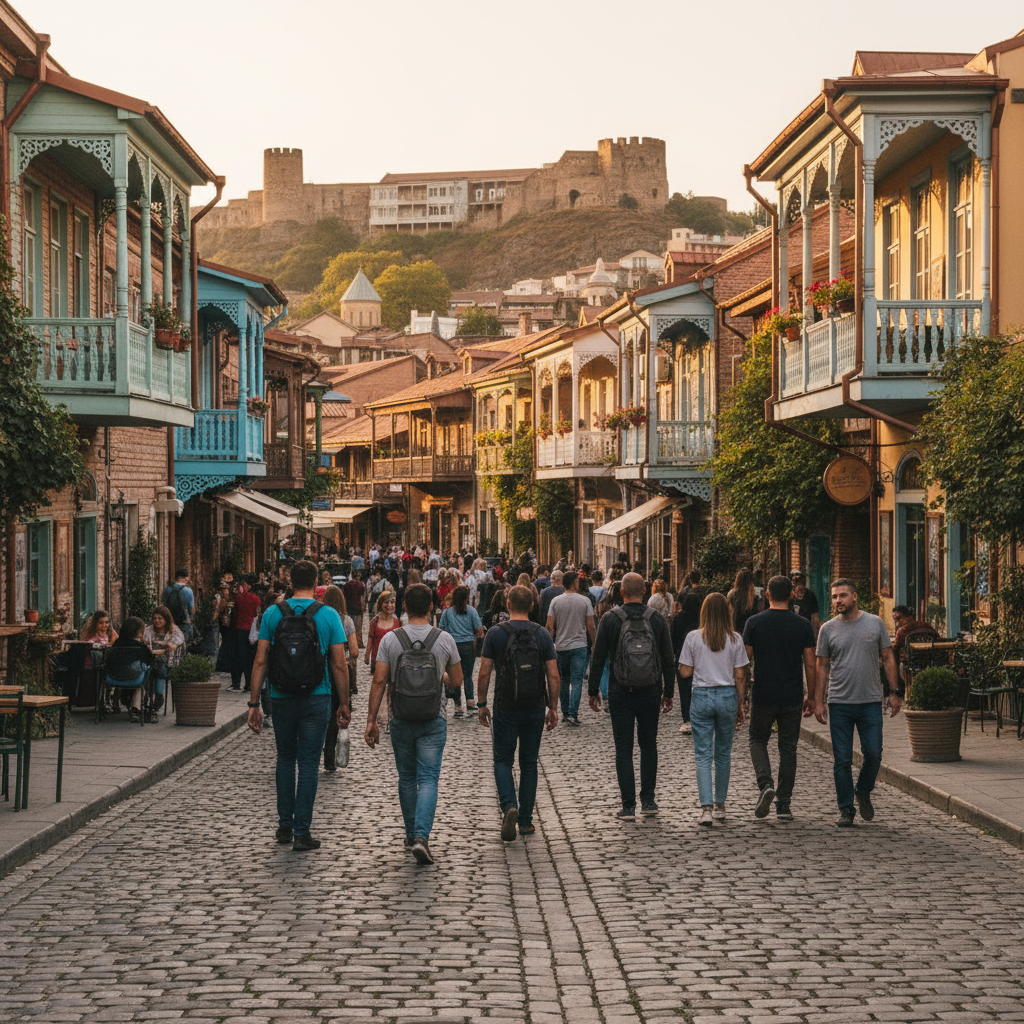
Discover the real pros and cons of living in Georgia. From low taxes and residency rules to infrastructure and language barriers, learn what life is like.
Georgia has become a prime destination for digital nomads, investors, and retirees. It offers a unique mix of ancient traditions and modern reforms. Located at the crossroads of Europe and Asia, it provides a distinctive lifestyle. However, moving here involves trade-offs that every prospective resident should evaluate. This guide explores the practicalities of Georgian life, focusing on finance, culture, and daily infrastructure. We aim to provide a balanced view for those considering a permanent move to the Caucasus region.
Liberal Residency and Visa Policies
One of Georgia's greatest advantages is its open-door policy for foreigners. Citizens of approximately [data pending] countries can enter without a visa. This includes the United States, United Kingdom, and EU members. These visitors can stay in Georgia for up to one year. This policy is among the most liberal in the world. Many expats use this time to test the lifestyle before committing. Renewing this period is often as simple as crossing a border and returning. Obtaining a residence permit is also relatively straightforward. Options include paths for labor, investment, or family reunification. The Public Service Hall handles these applications efficiently. Compared to EU nations, the requirements are often less restrictive. This ease of entry makes Georgia an attractive hub for global citizens. However, long-term legal frameworks can change. It is essential to monitor official updates on immigration laws regularly.
Low Cost of Living and Taxation
Georgia offers a significantly lower cost of living than Western Europe or North America. Rent in cities like Tbilisi or Batumi is often affordable for those earning foreign currencies. Grocery prices and public transport also remain budget-friendly. This affordability extends to dining out and domestic travel. Taxation is another major draw for entrepreneurs. The Individual Entrepreneur status allows for a [data pending]% tax rate on turnover. This applies to businesses earning up to [data pending] GEL annually. This structure is highly beneficial for freelancers and remote workers. Property taxes are generally low or non-existent for individuals with modest incomes. However, inflation has affected the local economy recently. Prices for imported goods and technology have risen. While still cheap, Georgia is no longer the ultra-budget secret it once was. Proper financial planning is still necessary to enjoy a comfortable lifestyle.
Safety and Quality of Life
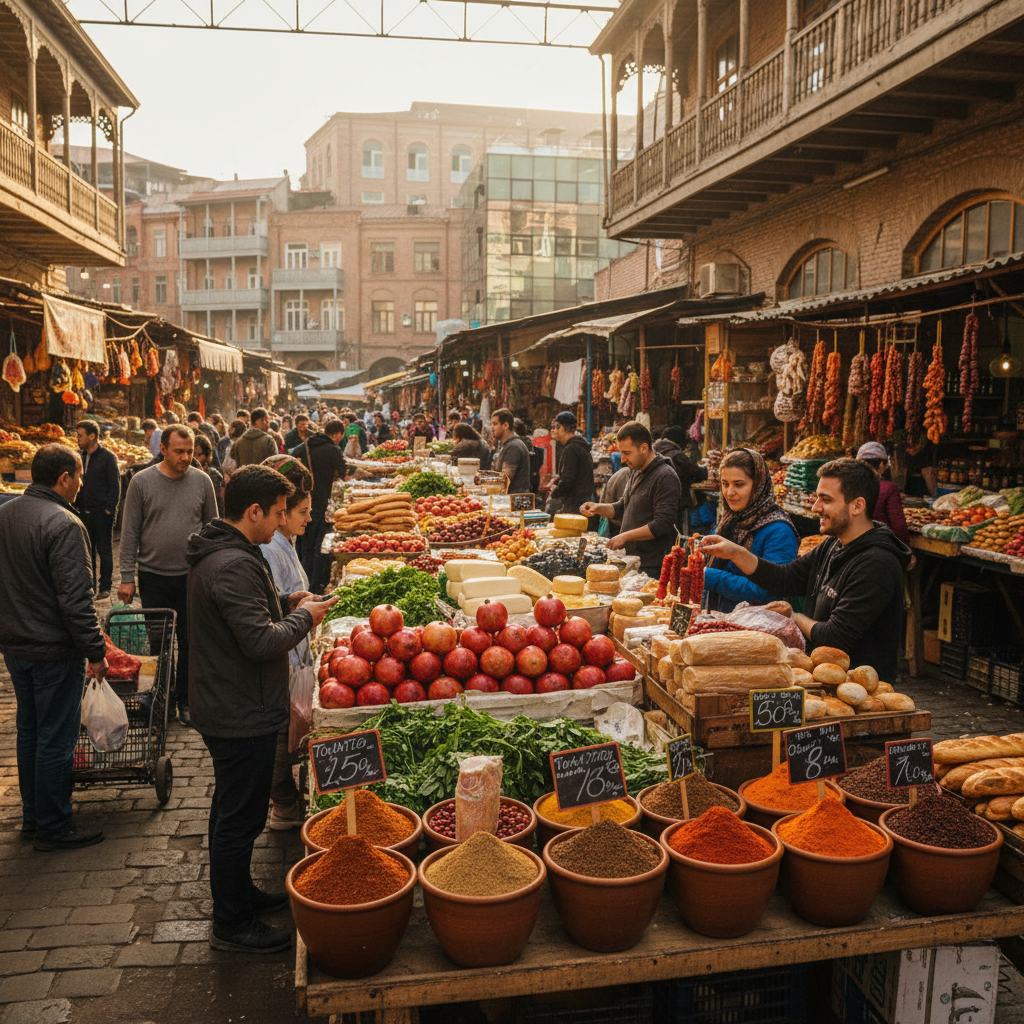
Georgia consistently ranks high in international safety indices. Crime rates, particularly violent crimes, are remarkably low. It is common to see people walking alone late at night in major cities. Petty theft exists but is less frequent than in many Western capitals. The police are generally viewed as professional and non-corrupt following historical reforms. The quality of life is bolstered by a strong sense of community. Georgians are famous for their hospitality toward guests. This welcoming atmosphere makes many foreigners feel secure and valued. The pace of life is often slower and less stressful than in Western hubs. Parks and green spaces are improving, though air quality in Tbilisi can fluctuate. Overall, the sense of personal security is a significant advantage. Families often find the environment conducive to raising children in a safe setting.
Language Barriers and Communication
The Georgian language is unique and uses its own script. It is not related to Indo-European or Turkic languages. This presents a steep learning curve for most expats. In Tbilisi and Batumi, English is widely spoken by the younger generation. Most tourism and service workers can communicate in English. However, older generations often speak Georgian and Russian exclusively. Relying solely on English can be difficult in rural areas. Navigating legal documents and government offices often requires a local translator. While the government provides some English services, nuances are frequently lost. Learning basic Georgian phrases is highly recommended for long-term integration. Signs in cities are usually bilingual, which helps with navigation. Still, the language barrier remains a primary disadvantage for many expats. It can lead to social isolation if one does not make an effort to connect with locals.
Infrastructure and Urban Development
Georgia’s infrastructure is a mix of modern innovation and Soviet remnants. Major highways are undergoing significant upgrades to connect East and West. Public transport in Tbilisi includes a metro system, buses, and minibuses. However, traffic congestion in the capital is a major downside. Commutes during peak hours can be exceptionally long and frustrating. Outside of main cities, road conditions can be poor and unpredictable. Mountain passes often close during winter due to heavy snow. Utilities like electricity and water are generally stable in urban centers. Occasional outages still occur during maintenance or extreme weather. High-speed internet is widely available and relatively inexpensive. This makes it a reliable location for remote work. Urban development is rapid, but sometimes lacks strict architectural oversight. This leads to a patchwork of modern glass towers and crumbling historic buildings.
The Georgian Job Market
The local job market is perhaps the biggest challenge for foreigners. Local salaries are often very low compared to Western standards. Most expats living comfortably in Georgia work for international companies. Finding a high-paying job within a Georgian firm is difficult without local language skills. Sectors like IT, hospitality, and real estate offer some opportunities. However, competition is high and local networks are often crucial for hiring. For those without remote income, the financial reality can be tough. Unemployment rates remain a concern for the local population. Many young Georgians seek work abroad to earn better wages. Consequently, Georgia is best suited for those with existing income streams. It serves better as a base for digital nomads than a destination for job seekers. Expecting to find local employment should be approached with realistic expectations.
Healthcare Standards and Access
Healthcare in Georgia has seen significant private investment over the last decade. Modern private clinics in Tbilisi offer high-quality care and English-speaking doctors. Many common procedures are affordable and do not have long wait times. However, the quality of care can be inconsistent in rural regions. Specialized treatments might require traveling to the capital or abroad. Georgia does not have a universal healthcare system for foreigners. Expats must purchase private medical insurance to cover costs. Most international insurance plans are accepted at major hospitals. Pharmacies are abundant and often carry a wide range of medications. Many drugs that require prescriptions elsewhere are available over the counter here. However, it is vital to verify the quality and origin of medications. Emergency services are generally responsive in urban areas. For serious chronic conditions, thorough research into specific specialists is advised.
Banking and Financial Services
The Georgian banking sector is modern, digital, and very efficient. Opening a bank account is simple for most foreigners. Usually, only a passport and a small fee are required. The two largest banks are listed on the London Stock Exchange. Mobile banking apps are sophisticated and match Western standards. International transfers are generally smooth via the SWIFT network. Interest rates on local currency deposits can be high, though inflation is a factor. Multi-currency accounts are standard, allowing users to hold USD, EUR, and GEL. However, some international banks may flag transfers to Georgia for extra scrutiny. This is due to the country's proximity to sanctioned regions. Georgia is not part of the CRS (Common Reporting Standard) yet, but move toward transparency is ongoing. Always consult a tax professional regarding your home country's reporting requirements.
Climate and Natural Diversity
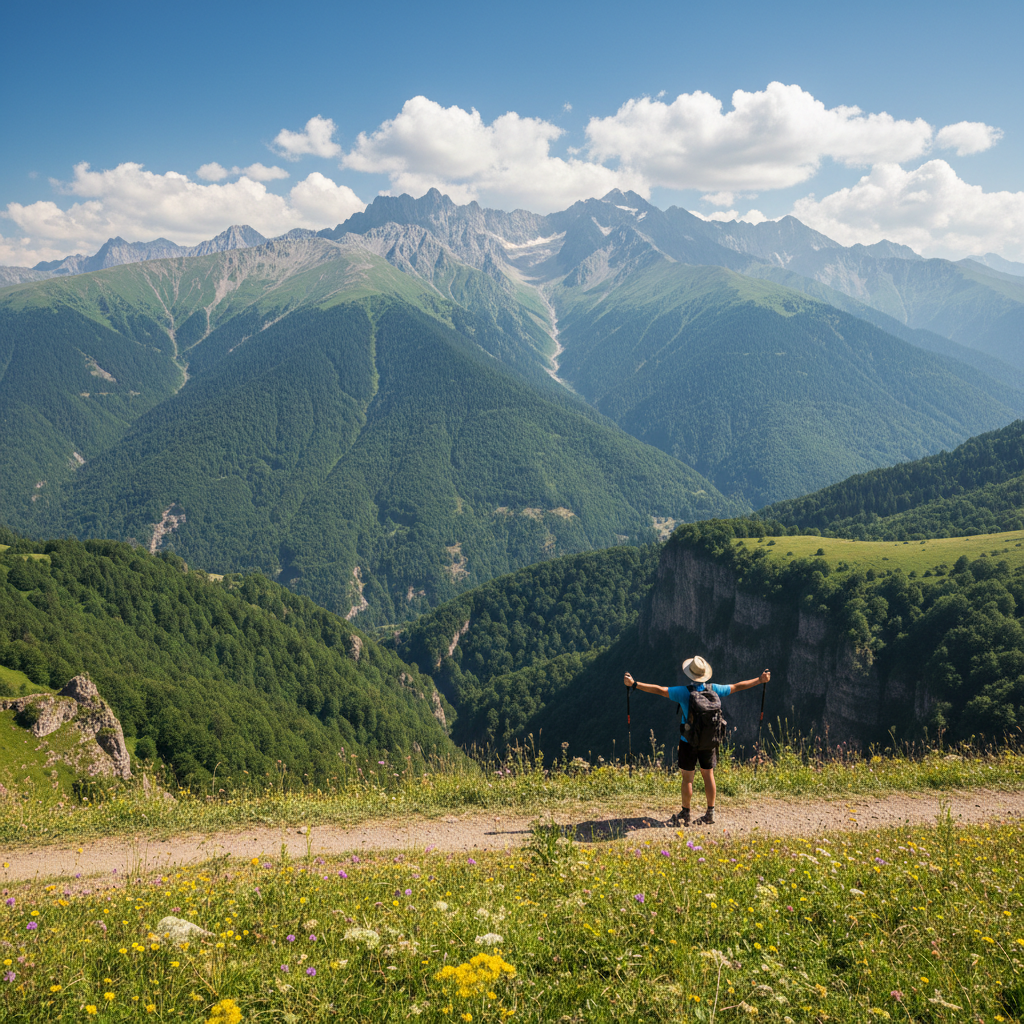
Georgia’s geography offers incredible variety within a small area. The country features subtropical coastlines, high mountain peaks, and semi-deserts. You can drive from the beach to a ski resort in a single day. This diversity is a major advantage for outdoor enthusiasts. Summers in Tbilisi can be very hot, with temperatures exceeding [data pending] degrees Celsius. Winters are generally mild in the capital but very snowy in the mountains. Batumi experiences high humidity and frequent rainfall due to its coastal location. Air quality varies and can be poor in Tbilisi during calm winter days. The country is also located in a seismically active zone. Small tremors are not uncommon, though large earthquakes are rare. Overall, the climate is pleasant for most of the year. It allows for a wide range of seasonal activities and agriculture.
Navigating Bureaucracy and Services
Georgia has revolutionized its public services through "Public Service Halls." These centers consolidate hundreds of government services under one roof. You can register a business or property in just a few hours. This efficiency is a massive advantage compared to many European countries. Most administrative tasks are streamlined and require minimal paperwork. However, dealing with more complex legal issues can still be slow. The judicial system is often criticized for lack of speed and independence. Interactions with local utilities or building managers may require patience. Cultural differences in service standards can lead to occasional misunderstandings. While high-level bureaucracy is efficient, daily local administration can be informal. Having a trusted local contact can help navigate these informal systems. Overall, the ease of doing business remains one of Georgia's strongest selling points.
Social Integration and Culture
Georgian culture is deeply rooted in history, Orthodox Christianity, and wine. The social life often revolves around the "Supra," a traditional feast. Forging deep friendships with locals takes time but is rewarding. Once you are considered a friend, Georgians are incredibly loyal and helpful. However, the society remains socially conservative in many aspects. Perspectives on certain lifestyle choices may differ from Western liberal norms. While Tbilisi is quite progressive, rural areas remain traditional. Expats may find it easier to socialize within the growing international community first. There are numerous meetups, clubs, and coworking spaces for foreigners. Integrating fully requires learning the language and respecting local customs. The cultural richness is a major draw for those seeking an authentic experience. It provides a lifestyle that is very different from the homogenized global West.
Real Estate Dynamics
The real estate market in Georgia is open and accessible to foreigners. There are no restrictions on foreigners buying apartments or commercial property. The only major restriction is the purchase of agricultural land. Prices grew significantly in [data pending], driven by high demand. Renovating older buildings can be a complex and risky endeavor. New constructions often follow a 'black frame' or 'white frame' delivery style. This means the buyer must finish the interior walls, flooring, and plumbing. This provides flexibility but requires management of contractors. Property management services are becoming more professional in major cities. Rental yields in central Tbilisi can be attractive for investors. However, there is a risk of oversupply in certain neighborhoods. Always conduct a thorough title search before any transaction. Legal assistance is highly recommended to verify the developer's reputation.
Frequently asked questions
Is Georgia a safe country for solo female travelers?
Yes, Georgia is generally very safe for solo female travelers. Violent crime is rare, and harassment levels are low compared to many other regions. Standard precautions should still be taken at night.
Can I work locally in Georgia as an expat?
It is difficult due to low local wages and the language barrier. Most expats work remotely or start their own businesses. Local salaries rarely match Western expectations.
Do I need to speak Georgian to live there?
You can survive with English in Tbilisi, but daily tasks become harder. Learning the alphabet and basic phrases is essential for long-term comfort and integration into the community.
What is the tax rate for remote workers?
Many remote workers qualify for the Small Business Status. This offers a [data pending]% tax on turnover up to [data pending] GEL. Specialist tax advice is recommended for setup.
How is the internet speed in Georgia?
Internet in major cities is fast and reliable. Fiber optic connections are standard in Tbilisi and Batumi. It is well-suited for high-bandwidth tasks like video conferencing.
Is the tap water safe to drink in Georgia?
Tap water is generally safe to drink in Tbilisi and most urban areas. Many people prefer filtered or bottled water due to the high mineral content or aging pipes in older buildings.